Choice Architecture Nudge: What It Is and How to Use It
By DeltaMV Insights TeamUpdated 5 min read
Marketers invest heavily in building brand love, yet often overlook a cheaper lever: how choices are presented. A choice architecture nudge deliberately designs how options are presented so that the easier, more natural path is also the better one – and changing a default alone can nearly double the number of people who choose an option.
Key takeaways
- Choice architecture changes how a decision is presented, not what people think of your brand.
- Opt-out organ donation countries see registration rates above 90%, versus around 4–27% for opt-in.
- Sometimes the best nudge is an active choice rather than a default.
What Is a Choice Architecture Nudge?
A choice architecture nudge deliberately designs how options are presented so that the easier, more natural path is also the better one4. It isn’t only what customers think and feel about your brand that shapes behaviour – the way choices are presented matters too.
For many marketers this is counter-intuitive. We’re used to thinking in terms of the ‘value proposition’, yet alongside building the love, we also need to invest in triggering it. Choice architecture is one of several nudges – see also loss aversion.
What Does Choice Architecture Look Like in Practice?
A simple example is the tip tray: putting change on a tray, rather than in someone’s hand, makes more people leave a tip. Imagine the bartender hands you your change. More often than not, you simply pocket it – not because you chose not to tip, but because you didn’t really think about it.
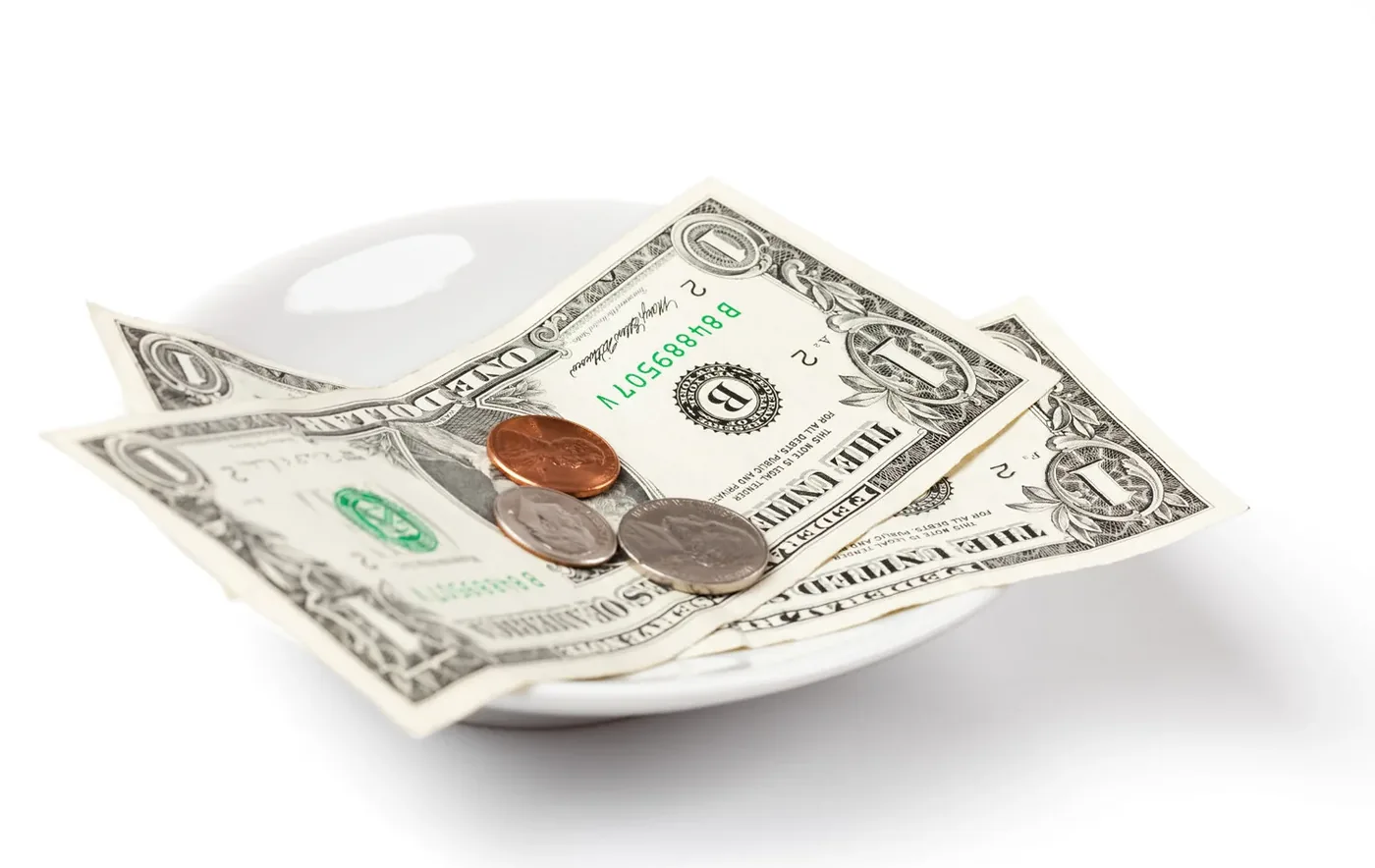
Now imagine the change is placed on a small tray. Because you have to actively pick it up, it triggers the thought: “Maybe I should leave something for the service.” The bar hasn’t changed your attitude – only how the decision is presented.
Do Defaults Really Change Behaviour? The Organ Donation Evidence
Yes. Countries where citizens must actively opt in to organ donation typically see registration rates of around 4–27%, while similar countries that make donation the default see rates above 90%2. In a controlled experiment, around 42% chose donor status under an opt-in default, compared with 82% under an opt-out default – nearly double, from changing nothing but which box was pre-ticked2. For a European example, see opt-in versus opt-out organ donation in France.
Does It Work in Asia-Pacific? Singapore’s Presumed-Consent Model
- Context: under an opt-in system, only around 1.3% of Singaporeans had pledged their organs.
- Intervention: in 1987, the Human Organ Transplant Act switched the default to presumed consent – everyone is a potential donor unless they opt out.
- Result: only 2–3% have opted out, and kidney transplants climbed from around 4.7 a year to a peak of over 40 a year1.
- Lesson for practice: where the default sits decides where most people end up.
When Should You Use Active Choice Instead of a Default?
When a default isn’t appropriate, asking for an active choice can itself be the nudge. A US health system prompted clinicians to actively “accept” or “cancel” a flu vaccine order for each eligible patient, producing a 6.6 percentage point greater increase in vaccination orders than in clinics without the prompt3. We look at this further in flu shot: yes or no?.
Looking for quick wins in your patient or HCP journey? DeltaMV’s Healthcare Behavioural Strategy team can help you find the nudge.
How to Use Choice Architecture in Patient and HCP Journeys: 4 Steps
- Map the decision points – enrolling, referring, booking, ordering.
- Choose a default or an active choice – set the better option as default where appropriate; otherwise prompt an active choice.
- Add a small trigger – like the tip tray; see what healthcare can learn from Uber.
- Test and measure the redesigned choice against the original.
What Are the Limitations of Choice Architecture?
- Context matters: tipping depends on cultural and social norms – so do healthcare decisions.
- Use defaults responsibly: they should serve the patient and leave an easy way to opt out.
Frequently Asked Questions
What is an example of a choice architecture nudge?
Placing change on a tip tray, making organ donation the default, or prompting clinicians to accept or cancel a flu vaccine order.
What is the difference between a default and active choice?
A default is what people get if they do nothing; active choice removes the default and asks people to decide.
Next Steps: Find the Nudge in Your Own Journey
The tip tray, the organ donor register and the flu vaccine prompt share one lesson: you don’t always need a bigger budget to change behaviour – sometimes you just need to change how the choice is presented. DeltaMV’s “Make it Easy” lever strips friction out of the moment between intention and action.
Want to find the choice architecture nudge hiding in your own patient or HCP journey? Get in touch with DeltaMV’s Healthcare Behavioural Strategy team.
References
1. Chin, J. J. L., & Kwok, T. H. X. (2014). After presumed consent: A review of organ donation in Singapore. Indian Journal of Medical Ethics, 11(3), 139–143. https://doi.org/10.20529/IJME.2014.038
2. Johnson, E. J., & Goldstein, D. (2003). Do defaults save lives? Science, 302(5649), 1338–1339. https://doi.org/10.1126/science.1091721
3. Patel, M. S., Volpp, K. G., Small, D. S., Wynne, C., Zhu, J., Yang, L., Honeywell, S., Jr., & Day, S. C. (2017). Using active choice within the electronic health record to increase influenza vaccination rates. Journal of General Internal Medicine, 32(7), 790–795. https://doi.org/10.1007/s11606-017-4046-6
4. Thaler, R. H., & Sunstein, C. R. (2008). Nudge: Improving decisions about health, wealth, and happiness. Yale University Press.