SERMO’s drug-rating system for doctors by doctors has garnered over 655,000 ratings on over 4,000 medications in the last year. SERMO is now the number one social network for doctors in the US and globally providing a safe space to solve and discuss medical cases and issues and to rate treatments. Additionally, it offers honoraria for doctors who share their opinions. The popularity of SERMO and the transformation it represents highlights the importance of developing a multi-faceted strategy across communication touchpoints in a rapidly changing digital landscape. Healthcare marketers must stay up to date with this on-going digital transformation in order to maximise the effectiveness of their marketing spend and to better serve the needs of doctors across the globe.
Read MoreTo illustrate how some of this big data (information about our likes and dislikes in regard to music, books, and television) can say a lot about who we are as people, check out this quiz designed by the Australian Cultural Fields project that unravels what our habits suggest about our social class. Don’t worry, it only takes about 5 minutes!
Read MoreCape Town, South Africa, home to 3.4 million residents, could soon be the first major city in the world to run out of water—a day that’s been dubbed ‘Day Zero.’ Day Zero could happen as early as mid-July if there’s no significant rain, and residents will have to travel to one of the city’s 200 collections points to receive their daily ration of 25 litres per person.
Read MoreHuman beings are undoubtedly social creatures by nature. Because of this, it’s no surprise that the results from a UK trial published in the Resurgence & Ecologist magazine demonstrate the importance of community support in regard to health.
Read MoreA campaign in Australia to reduce prescribing antibiotics in the primary care setting has been largely successful, according to The Medical Republic. In part, this has been down to using a key behavioural science principle called the Hawthorne Effect.
Read MoreWellth is a New York-based digital health company, employing behavioural economics to help healthcare and insurance organisations improve overall health outcomes for their customers and avoid preventable costs.
Read MoreAn Australian anaesthetist has sparked a global movement #TheatreCapChallenge, encouraging surgical staff to don their names and positions on their scrub caps in an effort to reduce confusion in operating theatres and improve patient safety.
Read MoreOur Managing Director Neil Doyle was recently interviewed by the Word Vietnam for an article published on August 10, 2017. This article explores the seemingly rational or irrational behaviour of decision-making. To view the text in the original format, please click the following link:
http://www.wordvietnam.com/people-culture/the-stories/moments-of-truth
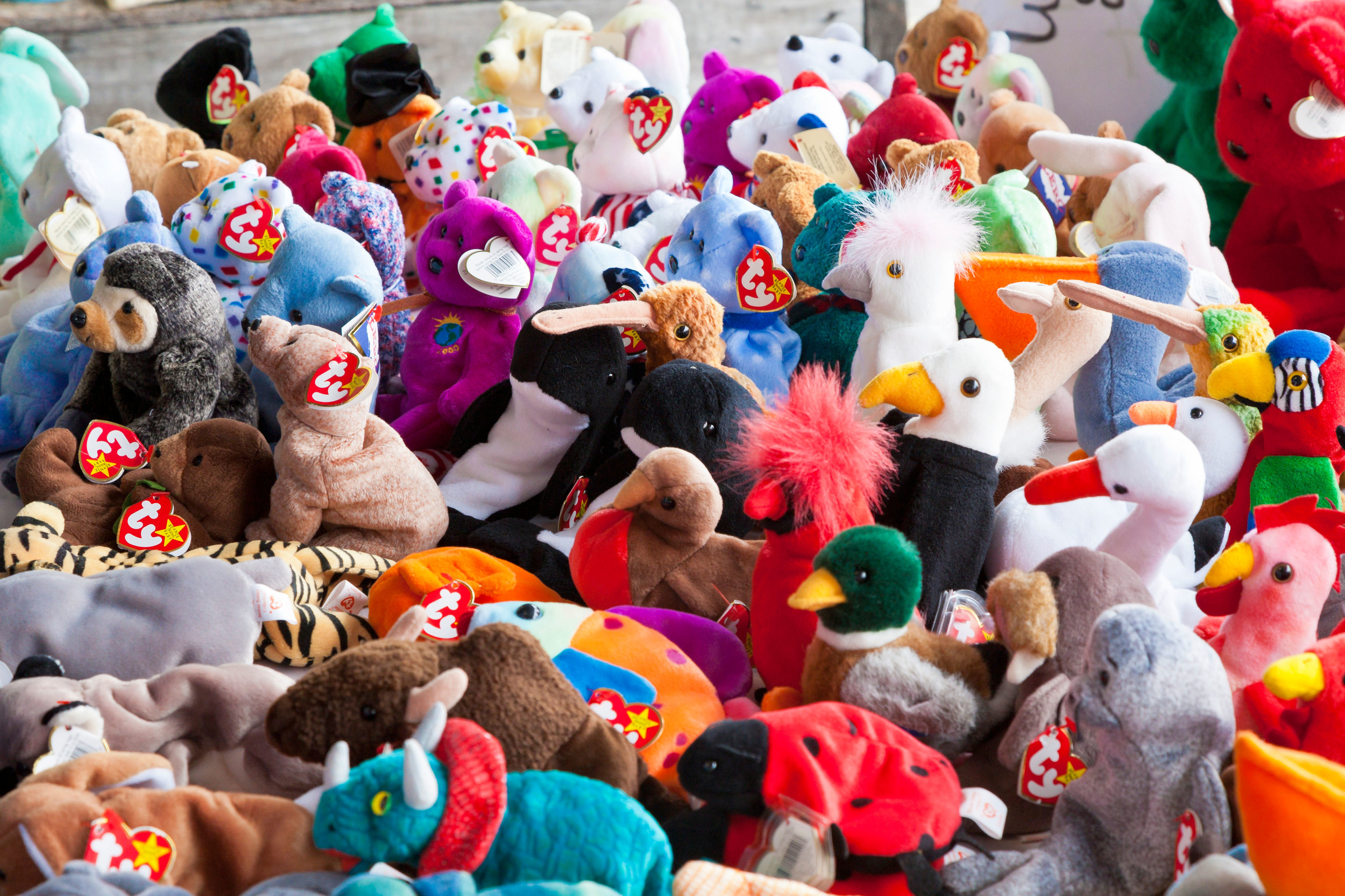
Read MorePokémon, Beanie Babies, Furbies, Tamagotchi, and now fidget spinners? What makes these products ‘go viral’ and why do kids want them so badly? Although there has been a great deal of research in this area, Margo Bergman an economist from the University of Washington suggests that it reflects the tendency of humans to look toward others for information, and this is not limited to just children!
Read MoreNew Zealand, a peaceful country in the South Pacific with relatively high ethnic diversity, is facing a growing number of complaints concerning racial discrimination according to the country’s human rights commission. To curb this trend, they’ve launched a clever campaign to reframe the debate within the country. Watch the campaign video here, featuring Hollywood Director Taika Waititi.
Read More
How can Behavioural Economics be used to benefit your business’s bottom line?
Read MoreA recent study in the US found that sales for vegetables at the Stanford cafeteria jumped 25% when ‘indulgent’ labels were applied. How can you apply similar labels to your healthcare products?
Read MoreThe Hawthorne Effect is a cognitive bias that refers to the idea that people change their behaviour when they are observed. The Zusha campaign in Kenya illustrates how this bias can be leveraged to achieve the desired behavioural change, and in this case, save lives.
Read MoreHow can you nudge your customers in the right direction? To learn more about how policymakers around the globe are utilising nudges, check out this article from the Economist.
Read MoreHow does the appearance of an object impact its likelihood of being recycled? How important are the shapes of trashcans? Can too many recycling bins actually encourage over-consumption? Check out this article for more examples of Behaviour Science in recycling.
Read MoreMedisafe has partnered with pharmaceutical companies to essentially create a ‘glorified alarm clock’ to remind patients when to take their medicine. This mobile platform focuses on adherence tech and uses machine learning to personalize the experience for each user.
Check out the article to learn more.
Read MoreThe ‘Choosing Wisely’ Campaign is led by the ABIM Foundation and Consumer Reports and hopes to cultivate meaningful conversations between clinicians and patients about avoiding unnecessary medical tests, treatments, and procedures. The threat are cognitive biases that impact clinician decision-making.
Read MoreVending machines have offered convenient access to snacks and beverages, but entrepreneurs around the world are now stocking them with products ranging from cycling helmets in Melbourne to needle exchanges in Las Vegas. This demonstrates an effort to make access to these products easier for consumers.
Check out this article for more unusual vending machines across the globe. http://edition.cnn.com/2017/05/02/health/health-vending-machines/index.html
Read MoreA new study published in the journal of American Medical Association (JAMA) suggests that when teaching hospitals place restrictions on drug reps, doctors tend to use more generics. While conflicts of interest have long existed in healthcare, this research brings new attention to the impact of the relationships between doctors and drug reps.
Read MoreUber’s company structure differs from others in that it treats its drivers as contracted workers rather than employees. While this reduces its labour costs, it means that Uber cannot dictate hours to its workers. Instead, they must employ a series of behavioural tools to get drivers to work when they want them to work.
Read More